

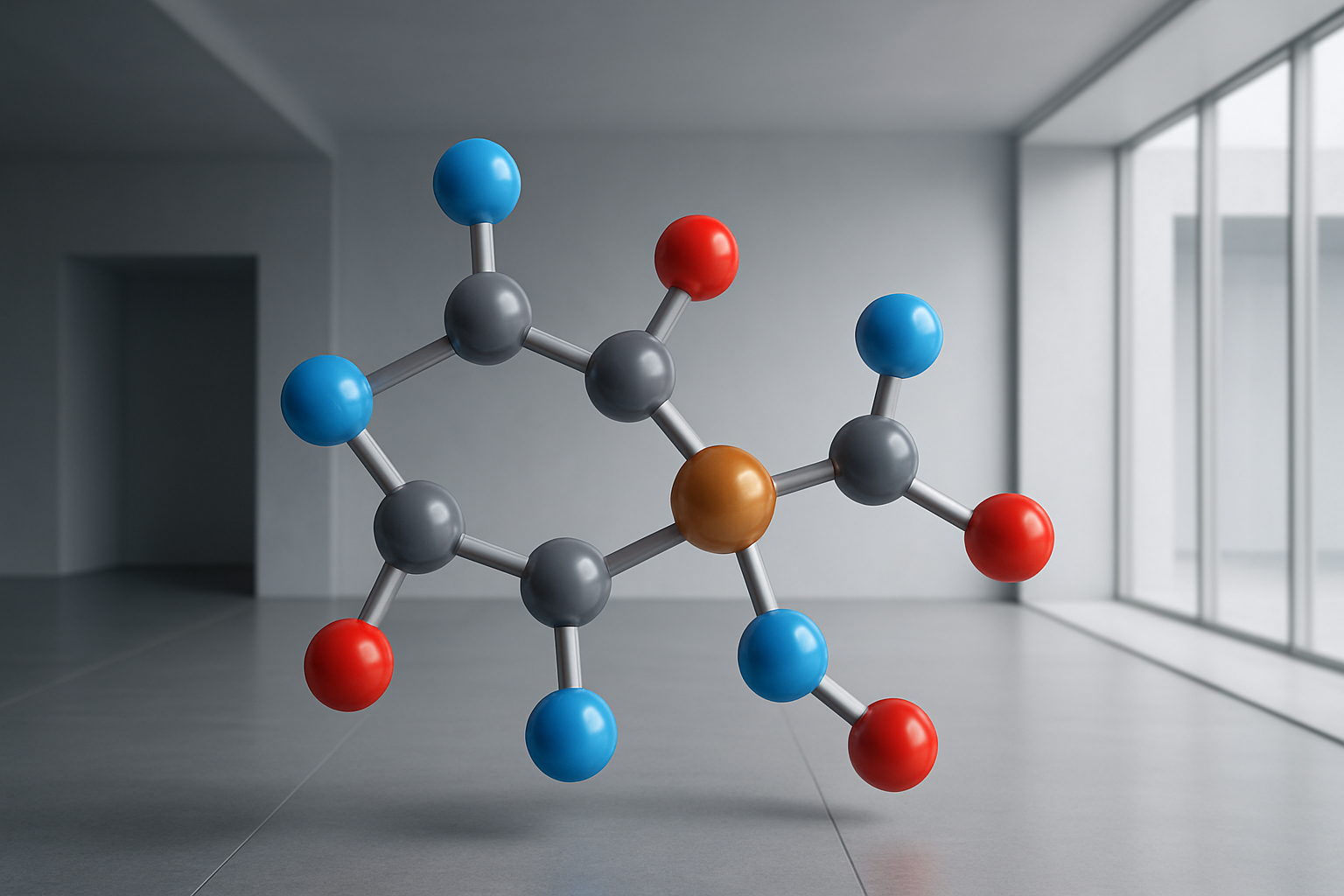
Why do researchers study small peptide molecules in such detail? Their size may be modest, but peptides can interact with biological systems in highly specific ways. ghk cu is particularly interesting because it combines a naturally occurring peptide sequence with copper, creating a complex that has been investigated across several areas of biological science. Its structure, copper-binding behavior, and potential relationship with cellular processes make it a notable subject within peptide research.
Jump To
- How is GHK-Cu formed?
- Why is the peptide sequence important?
- What makes copper biologically significant?
- What areas of biology have been investigated?
- What is the connection with connective tissue?
- Does laboratory research prove human effects?
- Why does GHK-Cu remain relevant to peptide science?
- What is the broader takeaway?
How is GHK-Cu formed?
GHK-Cu is associated with the tripeptide glycyl-L-histidyl-L-lysine, commonly known as GHK, and copper. GHK contains three amino acids arranged in a specific sequence. When it interacts with copper, a molecular complex is formed.
This interaction is scientifically important because metal-binding can change the chemical behavior of a peptide. Researchers can therefore investigate both the properties of GHK itself and the characteristics that emerge when copper becomes associated with the molecule.
Why is the peptide sequence important?
Peptides are not defined only by their individual amino acids. Their sequence determines how those amino acids are arranged and how the molecule can interact with other substances. GHK contains glycine, histidine, and lysine, each contributing to the chemical properties of the peptide.
Histidine is particularly relevant to metal coordination because of its chemical structure. This helps explain why GHK can interact with copper and why the resulting complex has attracted biochemical interest.
What makes copper biologically significant?
Copper is an essential micronutrient involved in numerous biological reactions. It contributes to the activity of several enzymes and participates in processes related to connective tissue, energy metabolism, and cellular protection.
Because copper is biologically active, its association with a peptide can be scientifically meaningful. Researchers investigate how copper-binding molecules behave and whether their interactions may influence particular cellular pathways.
What areas of biology have been investigated?
Research involving GHK-Cu has examined several biological themes. These include extracellular matrix activity, fibroblast-related processes, cellular signaling, and tissue biology. Experimental work has also considered pathways associated with oxidative stress and inflammatory responses.
The broad range of research demonstrates that GHK-Cu is not limited to a single biological question. Instead, it represents a molecular system that can be studied from several scientific perspectives.
What is the connection with connective tissue?
Connective tissue depends on a complex network of proteins and supporting structures. The extracellular matrix plays a major role in maintaining tissue organization and communicating with surrounding cells.
Researchers have investigated whether GHK-Cu influences biological pathways associated with matrix-related activity. These investigations are useful for understanding mechanisms, although experimental findings should not automatically be interpreted as confirmed clinical outcomes.
Does laboratory research prove human effects?
No. This distinction is important when evaluating peptide research. Laboratory experiments can identify molecular interactions and biological responses, but human biology is more complex. Findings from cultured cells or experimental models require additional investigation before they can be considered directly applicable to people.
Scientific interpretation therefore depends on the type and quality of evidence available.
Why does GHK-Cu remain relevant to peptide science?
GHK-Cu combines several scientifically interesting characteristics: a defined peptide sequence, copper-binding behavior, and interactions with biological pathways. These features provide researchers with opportunities to study molecular signaling and tissue-related biology from different angles.
What is the broader takeaway?
GHK-Cu illustrates how peptide structure can influence biological research. Its scientific importance is connected to its molecular composition and its interaction with copper rather than to promotional claims. Continued research can help clarify the mechanisms involved and distinguish established findings from areas that still require investigation.
For anyone interested in peptide science, understanding the molecular foundation of GHK-Cu offers a useful starting point for exploring how small biological molecules can participate in complex cellular environments.