

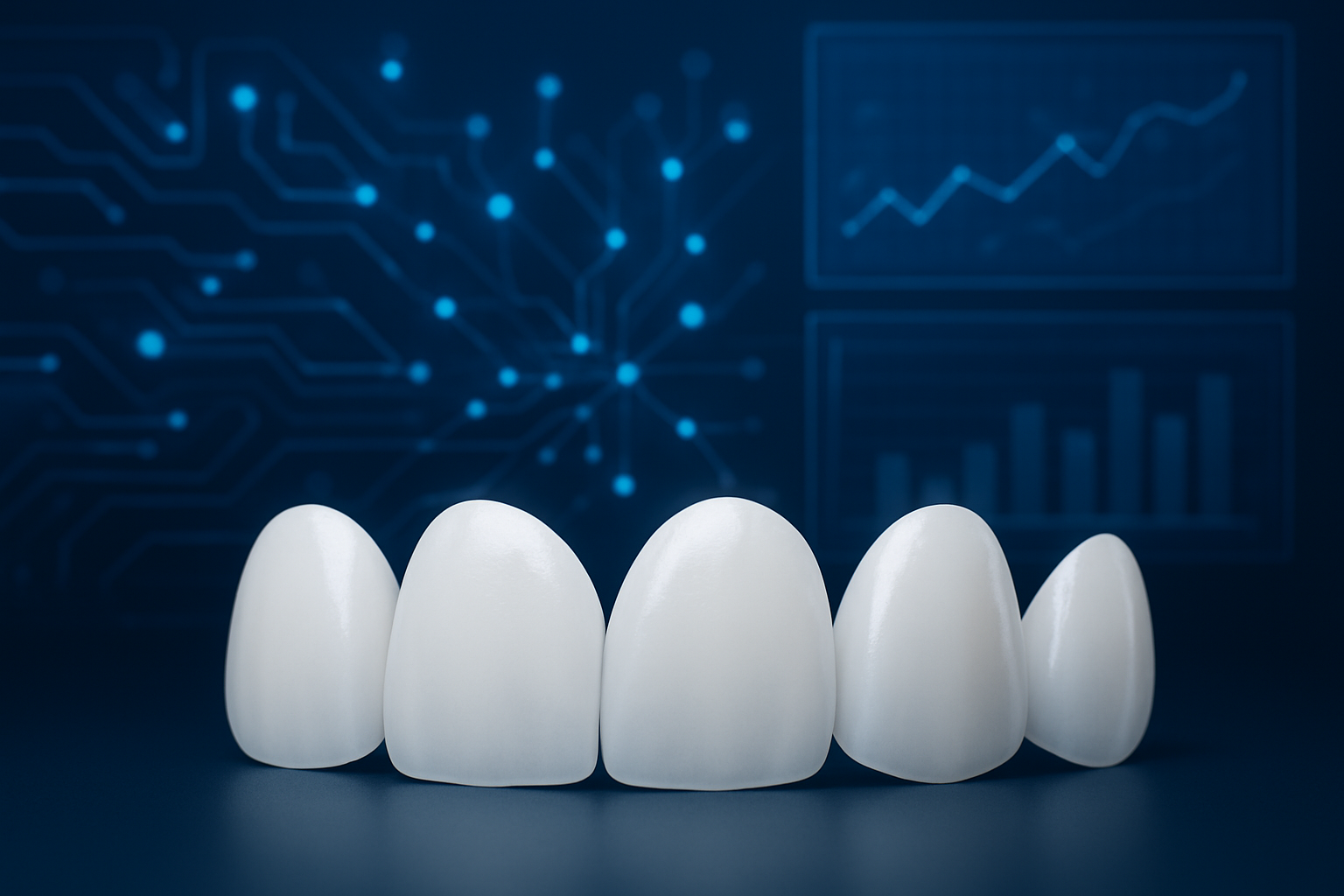
Modern cosmetic dentistry increasingly focuses on combining oral health, natural aesthetics, and digitally planned treatment. For patients researching Dental Veneers Turkey (Zahnveneers Türkei), understanding the treatment process, material choices, suitability, and clinical planning is essential before making a decision. Veneers are designed to improve the visible appearance of teeth while maintaining an approach that considers the underlying dental structure. A professional consultation helps determine whether laminate or zirconium treatment is appropriate for the individual case.
Jump To
- What Are Dental Veneers?
- How Does the Treatment Process Work?
- Which Dental Concerns Can Veneers Address?
- Why Is Digital Planning Important?
- What Should Patients Consider Before Treatment?
- How Modern Dental Care in Turkey Supports Comprehensive Smile Restoration
What Are Dental Veneers?
Dental veneers are custom-made restorations designed to improve the appearance of selected teeth. Laminate veneers are thin coverings bonded to the front surface of teeth and may be used to address concerns involving tooth colour, shape, size, minor alignment irregularities, gaps, or damaged edges. The treatment is planned according to the existing tooth structure and the desired smile design.
Zirconium veneers provide another option when patients require a combination of aesthetic appearance and structural strength. Zirconium is a metal-free ceramic material with light-transmitting properties that can create a natural-looking result. The suitability of each material depends on factors assessed during a dental examination.
How Does the Treatment Process Work?
Professional veneer treatment normally begins with examination and planning. The dentist assesses the teeth, gums, bite, and overall oral condition before recommending an appropriate approach. Digital workflows can support accurate treatment planning and help create a more individualized smile design.
For laminate veneers, preparation may involve removing a very thin layer from the front surface of the tooth, although preparation requirements vary between cases. Measurements are then taken so that the laboratory can produce restorations suited to the patient’s dental anatomy. A trial and fitting stage allows the appearance and fit to be assessed before permanent bonding.
Zirconium treatment follows a similar planning principle. After examination and preparation, dental measurements are taken and the restoration is custom-made. A temporary restoration may be used while the final veneer is being prepared before the permanent restoration is placed.
Which Dental Concerns Can Veneers Address?
Clinical information shows that veneers can be considered for several cosmetic dental concerns. These include persistent discoloration that does not respond adequately to whitening, chipped or worn teeth, irregular tooth shapes, and spaces between teeth. They may also be considered when patients want to refine tooth proportions as part of a broader smile-design plan.
However, veneers are not automatically suitable for every patient. Existing decay, gum problems, significant bite concerns, or other oral-health issues may need to be addressed before cosmetic treatment begins. A dentist should therefore evaluate the complete oral condition rather than selecting veneers solely on the basis of appearance.
Why Is Digital Planning Important?
Digital dentistry has become an important part of modern treatment planning. A digital workflow can connect diagnosis, smile design, measurements, and treatment implementation, helping clinicians work with greater precision. Seçkin Dental describes a fully digital workflow and personalized treatment planning as part of its clinical approach.
For international patients, organized communication is equally important. The clinic’s process includes online assessment, review of dental images and radiographs, treatment-plan preparation, and assistance with travel planning. This structure allows patients to understand the proposed treatment before travelling.
What Should Patients Consider Before Treatment?
A well-planned veneer treatment should prioritize healthy teeth and gums, suitable materials, accurate fitting, and realistic aesthetic expectations. Patients should discuss tooth preparation, restoration material, maintenance requirements, bite considerations, and follow-up care with their dentist.
Dental veneers are not simply a cosmetic covering; they are a clinical treatment requiring careful assessment and personalized planning. When diagnosis, material selection, digital precision, and professional communication work together, patients can approach smile treatment with clearer expectations and a stronger understanding of the process.
5
How Modern Dental Care in Turkey Supports Comprehensive Smile Restoration
Dental tourism has become an important consideration for patients seeking structured oral healthcare, particularly when treatment involves several procedures. Dental Treatment Turkey (Zahnbehandlung Türkei) can cover preventive, restorative, cosmetic, orthodontic, and implant-focused care within a coordinated clinical setting. Seçkin Dental Clinic in Istanbul presents a broad treatment portfolio, supported by dental professionals, digital workflows, and a fully equipped clinical environment.
What Makes Treatment Planning Important?
A successful dental journey begins with an accurate assessment rather than selecting a procedure based only on appearance. Dental conditions can involve several interconnected concerns, including missing teeth, damaged enamel, gum-related issues, bite alignment, or tooth discoloration. A professional evaluation helps establish which treatments are appropriate and how they should be sequenced.
Seçkin Dental’s consultation process allows international patients to provide dental images and radiographs before receiving an evaluation. The clinic describes a treatment-planning process that includes diagnosis, proposed procedures, travel coordination, and patient support. This structured approach can help patients understand their proposed care before travelling.
Which Treatments Are Available?
Modern dental clinics increasingly combine functional and aesthetic dentistry so that patients can address several oral-health concerns through an organized treatment plan. Seçkin Dental lists implant treatment, digital smile design, lamina veneers, zirconium veneers, orthodontics, tooth whitening, root canal treatment, fillings, and All-on-4/6 implant treatment among its services.
Implant dentistry is generally focused on replacing missing teeth and restoring chewing function. Veneer treatments can address selected cosmetic concerns, while orthodontic care is designed around tooth positioning and bite relationships. Root canal treatment focuses on preserving teeth affected by internal infection or damage. Because these procedures have different clinical objectives, professional examination remains essential before treatment selection.
How Does Digital Dentistry Support Care?
Digital technology has become an important part of contemporary dental workflows. Digital records, imaging, treatment planning, and smile-design processes can support communication between patients and clinicians while helping the dental team visualize proposed outcomes.
Seçkin Dental describes its workflow as digitally focused, with an emphasis on precision and coordination throughout treatment. Its listed services also include digital smile design, demonstrating how technology can be incorporated into aesthetic planning as well as restorative care.
What Should International Patients Consider?
Patients travelling for dental care need to consider more than the procedure itself. Diagnosis, treatment sequence, appointment scheduling, recovery requirements, communication, and follow-up arrangements can all influence the overall experience.
A clear treatment plan should explain the recommended procedures and the clinical reasoning behind them. Patients should also discuss medical history, existing medications, previous dental work, allergies, and any concerns with their dentist before treatment begins. This information allows the clinical team to make decisions based on the individual patient’s circumstances.
Why Is Professional Follow-Up Important?
Dental treatment does not end when a procedure is completed. Follow-up appointments allow dentists to evaluate healing, check restorations, review oral hygiene, and identify concerns that may require attention. Patients travelling internationally should understand the recommended follow-up schedule before returning home.
Seçkin Dental states that its patient-support process includes follow-up communication and assistance with treatment planning. The clinic also operates in Istanbul and provides services for international patients through multilingual website resources, including German-language information.
A Structured Approach to Dental Care
The growing interest in dental treatment abroad reflects a broader focus on combining clinical expertise, technology, organized planning, and patient communication. Rather than treating dental care as a single procedure, a comprehensive approach considers oral health, function, aesthetics, and long-term maintenance together.
For patients considering treatment in Istanbul, beginning with a professional assessment provides a practical foundation. Understanding the diagnosis, available procedures, expected treatment sequence, and follow-up requirements can make the dental journey more organized and informed. Seçkin Dental’s range of restorative, cosmetic, orthodontic, and implant services provides a framework for developing individualized dental care based on each patient’s needs.
============
 Nicholas Phillips