

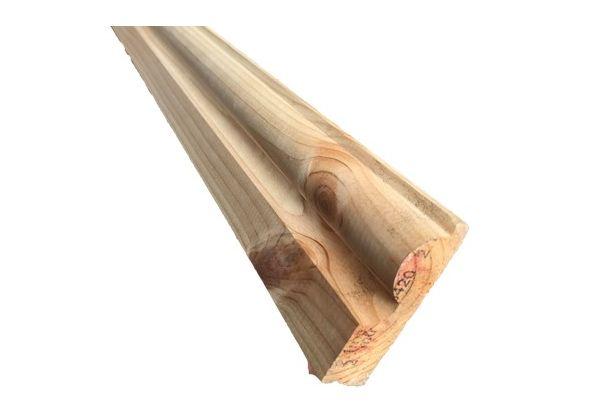
Choosing the right door lining size is critical to ensuring your doors not only look great but also function perfectly. A door lining, also referred to as a door frame or jamb, provides the structure around the door and acts as the foundation for attaching hinges, locks, and other hardware. But did you know that door lining sizes can vary significantly depending on the type of door and wall thickness?
This guide will cover everything you need to know to choose the right door lining size, including key measurements, industry trends, and tips to avoid common pitfalls during installation.
What Are Door Linings, and Why Do Sizes Matter?
Door linings are structural components that surround and support the door itself. They form the opening into which a door fits and ensure that the door operates smoothly. More importantly, the right door lining size can influence the aesthetic and functionality of your space.
Incorrectly sized door linings can lead to a range of issues:
- Doors that won’t close properly
- Poor insulation and gaps letting in drafts
- Misaligned hardware such as hinges and locks
That’s why understanding door lining sizes is crucial when renovating or building a home.
Standard Door Lining Sizes
When it comes to door lining sizes, “standard” is a term you’ll hear often. However, it’s worth noting that varying construction practices across regions can lead to slightly different dimensions. Here are the typical measurements you’ll encounter:
Width (Thickness of Wall Compatibility):
- Single Layer Walls (4-5 inches): For internal walls with basic plasterboard finishes.
- Double Layer Walls (5-7 inches): Common in thicker walls or walls with insulation or additional paneling.
Depth (Thickness of Door Frame):
- Standard depths typically range from 25mm to 32mm, depending on the material and room design.
Height and Width of Lining Components:
Door linings are cut to match the dimensions of the door leaf itself. While standard UK internal doors are often 1981mm x 762mm (or 78 inches by 30 inches), lining kits generally allow some flexibility for trimming on-site to account for variations in wall size.
A Trending Shift in Custom Lining Sizes
Though pre-made door linings in standard sizes dominate, there’s an increasing trend toward custom linings in modern construction. Builders are adapting linings to fit unconventional door shapes, ultra-wide walls, and high-spec finishes. For instance:
- Bespoke Door Frames are becoming standard in luxury homes.
- Open-plan living designs are driving demand for oversized doors that require linings larger than 36 inches.
This shift reflects changing interior design preferences, as homeowners are prioritizing clean finishes and seamless door-wall transitions.
Factors to Consider When Choosing Door Lining Sizes
Every project is unique, and several important factors can influence your choice of door lining size.
1. Wall Thickness
- Why it matters: Your door lining must match the thickness of your wall to avoid overhanging or recessed frames.
- Measure multiple sections of the wall as its thickness may vary slightly due to uneven plasterwork or finishes.
2. Type of Door
- Hinged doors require wider linings to accommodate swing space.
- Sliding or pocket doors typically need narrow linings for neat cavity installations.
3. Insulation Needs
If soundproofing or thermal insulation is a priority, you may need thicker linings to leave room for additional insulated materials between the frame and wall.
4. Material Choices
Door linings come in various materials such as solid wood, MDF (medium-density fiberboard), and engineered wood. The material can affect the thickness and durability of your frame.
Additionally, MDF linings are becoming popular for their cost-effectiveness and easy machining, aligning with modern minimalist designs. However, timber linings remain the go-to choice for traditional or rustic interiors.
Industry Statistics You Should Know
The demand for flexible door lining systems and ongoing construction trends is shaping the way manufacturers approach sizing.
- Market Growth: Over 60% of door lining solutions are designed to be adjustable, reflecting changing consumer preferences.
- Customization Demand: Bespoke door linings accounted for a 25% increase in market share over the past two years, driven by non-standard wall dimensions.
- Environmental Focus: Eco-friendly materials like FSC-certified timber or MDF are featured more often, catering to sustainability-focused projects.
Avoiding Common Mistakes in Door Lining Selection
Door linings may seem straightforward, but even seasoned DIYers and contractors can make avoidable mistakes. Here are a few tips:
- Double-Check Measurements: Even a few millimeters’ difference can result in poor fits.
- Account for Finishes like plaster, tile, or paneling thickness. Failing to do so might make the lining flush with the wall rather than recessed as expected.
- Pre-Check Doors for Warping: Warped doors can skew measurements and affect how they fit within their lining over time.
Final Thoughts: Perfecting Your Door Frame Fit
While choosing the right door lining size isn’t the most glamorous part of home improvement, it’s undeniably foundational. Whether you’re prioritizing modern trends in custom sizes or sticking to classic dimensions, always measure carefully and consider wall thickness, door types, and the room’s design requirements.