

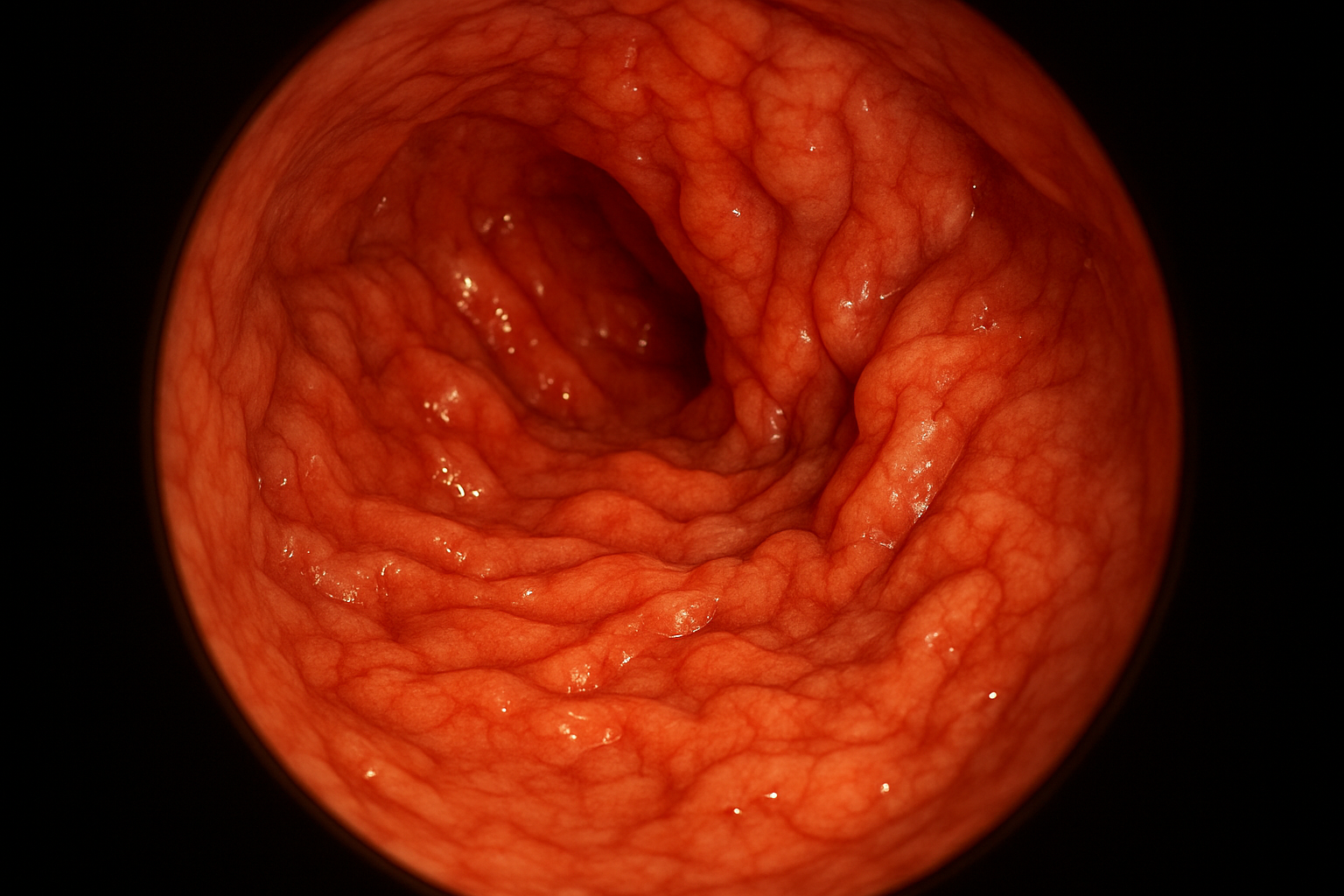
Persistent burning sensations in the upper abdomen, morning nausea, post-meal fullness, and continuous burping are often attributed to everyday stress or spicy foods. While diet can exacerbate symptoms, the root cause of recurrent peptic ulcers and chronic active gastritis is often an infection caused by Helicobacter pylori (H. pylori).
Jump To
- HOW H. PYLORI DAMAGES THE STOMACH?
- Key Warning Signs of Peptic Ulcer Disease
- Diagnosis: High-Definition Endoscopy and Rapid Urease Testing (RUT)
- H. PYLORI DIAGNOSTIC WORKUP
- The Urban Challenge: Overcoming Antibiotic Resistance
- Expert Digestive Care at Gastronaut Clinic, Kandivali
H. pylori is a spiral-shaped bacterium that has adapted to thrive in the acidic environment of the human stomach. It burrows deep into the protective gastric mucous layer and secretes the enzyme urease, which converts urea into ammonia and carbon dioxide. This creates a neutral micro-cloud that shields the bacteria from digestive acid while degrading the stomach’s protective lining.
HOW H. PYLORI DAMAGES THE STOMACH?
COLONIZATION ──► H. pylori penetrates the mucosal layer of the stomach.
ACID PROTECTION ──► Produces urease enzyme to neutralize local hydrochloric acid.
TISSUE INJURY ──► Releases cytotoxins (CagA, VacA) that cause mucosal inflammation.
ULCER FORMATION ──► Acid burns exposed stomach tissue, forming open peptic ulcers.
If left untreated, chronic H. pylori infection increases the risk of bleeding ulcers, gastric outlet obstruction, and gastric adenocarcinoma. Consulting a dedicated gastroenterologist in Kandivali ensures early diagnosis and complete eradication of bacteria.
Key Warning Signs of Peptic Ulcer Disease
Peptic ulcers develop either in the stomach lining (gastric ulcers) or the upper section of the small intestine (duodenal ulcers):
- Hunger Pain: Gnawing, burning epigastric discomfort that worsens when the stomach is empty (classic in duodenal ulcers) or immediately after meals (gastric ulcers).
- Early Satiety and Bloating: Feeling full after just a few bites of food.
- Refractory Nausea and Belching: Frequent morning burps with sour fluid regurgitation.
- Dark, Blackish Stools (Melena): Digested blood entering the digestive tract from an actively bleeding ulcer.
- Unexplained Drop in Hemoglobin: Ongoing micro-bleeding leading to iron-deficiency anemia and chronic fatigue.
Diagnosis: High-Definition Endoscopy and Rapid Urease Testing (RUT)
At Gastronaut Clinic, diagnostic testing focuses on identifying mucosal damage directly rather than relying on guesswork:
H. PYLORI DIAGNOSTIC WORKUP
1. High-Definition Upper GI Endoscopy (Gastroscopy) – Direct visualization of gastric and duodenal ulcer depth and edges
2. Rapid Urease Test (RUT / CLO Test) – Antral biopsy placed in urea broth; color change confirms infection
3. Histopathological Biopsy Review – Microscopic identification of bacterial morphology and dysplasia
4. Stool Antigen & Breath Test – Non-invasive confirmation of eradication after antibiotic therapy
During an Upper GI Endoscopy, the specialist can also treat active bleeding ulcers on the spot using endoscopic hemoclips or thermal argon plasma coagulation.
The Urban Challenge: Overcoming Antibiotic Resistance
Due to widespread, unmonitored antibiotic usage, H. pylori strains in Mumbai show rising resistance to conventional dual- or triple-therapy regimens containing clarithromycin or metronidazole.
When generic antibiotic courses fail, a super-specialist designs tailored Bismuth-Based Quadruple Therapy Regimens or high-dose dual therapies for 14 days. Following treatment, a repeat non-invasive test confirms complete eradication, preventing ulcer recurrence.
Expert Digestive Care at Gastronaut Clinic, Kandivali
Under the clinical leadership of Dr. Raajeev Hingorani, recognized as an expert gastroenterologist in Mumbai, Gastronaut Clinic in Kandivali West provides targeted, evidence-based care for peptic ulcer disease and recurrent infections.
With over 12,000 successful endoscopies performed, patients receive fast, accurate diagnostic testing and lasting relief from chronic stomach pain.