

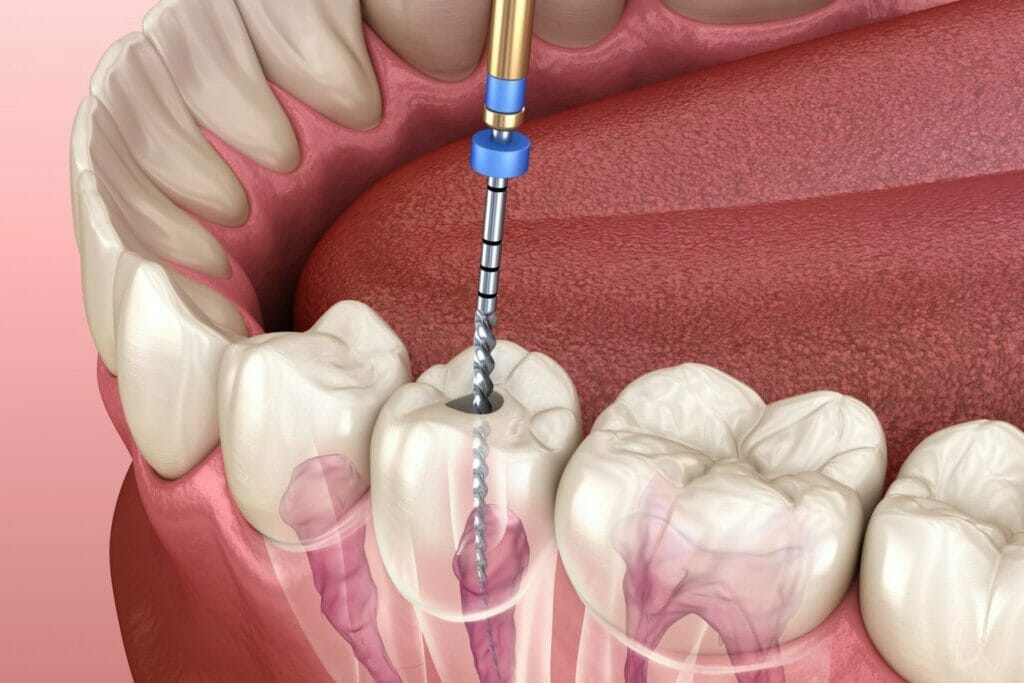
Root canal treatment is a vital dental procedure that plays a crucial role in managing pulpitis, a painful and debilitating condition characterized by inflammation or infection of the tooth pulp. Pulpitis can significantly impact an individual’s quality of life, causing severe toothaches, sensitivity, and discomfort. Fortunately, root canal treatment offered by the Dacula family dentist, and their expert team is a highly effective solution to alleviate pulpitis pain, eliminate infection, and preserve the natural tooth. By removing the infected or inflamed pulp tissue and disinfecting the canal, root canal treatment provides a long-term solution to pulpitis, preventing further complications and promoting optimal oral health.
This article explores the role of root canal treatment in managing pulpitis, discussing its benefits, process, and importance in maintaining dental well-being.
What is pulpitis?
Pulpitis is a dental condition characterized by inflammation or infection of the tooth pulp, a soft tissue comprising nerves, blood vessels, and connective tissue located within the tooth’s pulp chamber and root canals. The pulp plays a crucial role in tooth development and sensitivity, and its inflammation or infection can cause significant pain and discomfort. Pulpitis can be acute or chronic, reversible or irreversible, depending on the severity and duration of the inflammation. Reversible pulpitis is typically caused by mild irritation, such as dental work or tooth decay, while irreversible pulpitis is often the result of severe infection, trauma, or extensive tooth decay.
Types of pulpitis:
- Reversible pulpitis: Mild inflammation, often resolves with treatment.
- Irreversible pulpitis: Severe inflammation, requires root canal treatment.
- Acute pulpitis: Sudden onset, severe pain.
- Chronic pulpitis: Long-term inflammation, persistent pain.
Symptoms of pulpitis include:
- Severe toothache
- Sensitivity to hot/cold temperatures
- Pain when biting or chewing
- Swelling and tenderness
- Discomfort when eating/speaking
- Sharp or dull pain
- Increased sensitivity to sweets Prolonged pain after temperature changes
- Spontaneous pain
- Pain radiating to adjacent teeth
- Swollen lymph nodes
- Fever
- Pus or abscess formation
How does root canal treatment provide relief from pulpitis?
Here’s how root canal treatment provides relief from pulpitis:
The root canal process
- Diagnosis: X-rays and clinical examination determine the extent of pulpitis.
- Anesthesia: Local anesthesia numbs the tooth and surrounding area.
- Access: A small opening is made in the tooth to access the pulp chamber.
- Canal cleaning: Infected pulp tissue is removed, and canals are disinfected.
- Shaping: Canals are shaped to accommodate filling material.
- Filling: Biocompatible material fills the canal.
- Sealing: The tooth is sealed with a filling or crown.
What are the benefits of root canal treatment?
Root canal treatment is the most effective solution for pulpitis, offering the following benefits:
Immediate Benefits
- Pain Relief: Eliminates severe toothache and discomfort.
- Infection Control: Halts infection spread and prevents abscess formation.
- Reduced Swelling: Decreases swelling and inflammation.
- Improved Oral Function: Restores ability to eat and speak comfortably.
Long-Term Benefits
- Preservation of Natural Tooth: Saves tooth from extraction.
- Prevention of Further Complications: Avoids potential issues like abscesses, cysts, or tooth fractures.
- Reduced Risk of Systemic Infections: Prevents bacterial spread to other parts of the body.
- Enhanced Oral Health: Maintains overall oral well-being and prevents adjacent tooth damage.
Additional Benefits
- Cost-Effective: Less expensive than extraction and replacement.
- Time-Saving: Typically completed in 1-3 visits.
- Improved Self-Esteem: Restores confidence in a smile and oral health.
- Reduced Anxiety: Eliminates fear of dental pain and procedures.
Clinical Benefits
- High Success Rate: Over 90% success rate for root canal treatment.
- Reliability: Proven effectiveness in managing pulpitis.
- Durability: Long-lasting results with proper care.
- Low Risk of Complications: Minimally invasive procedure.
In conclusion, root canal treatment offers a highly effective solution for managing pulpitis, alleviating pain, and preserving the natural tooth. By understanding the causes and symptoms of pulpitis and the benefits of root canal treatment, individuals can make informed decisions about their oral health. Don’t let pulpitis pain control your life – consult a dental professional today.